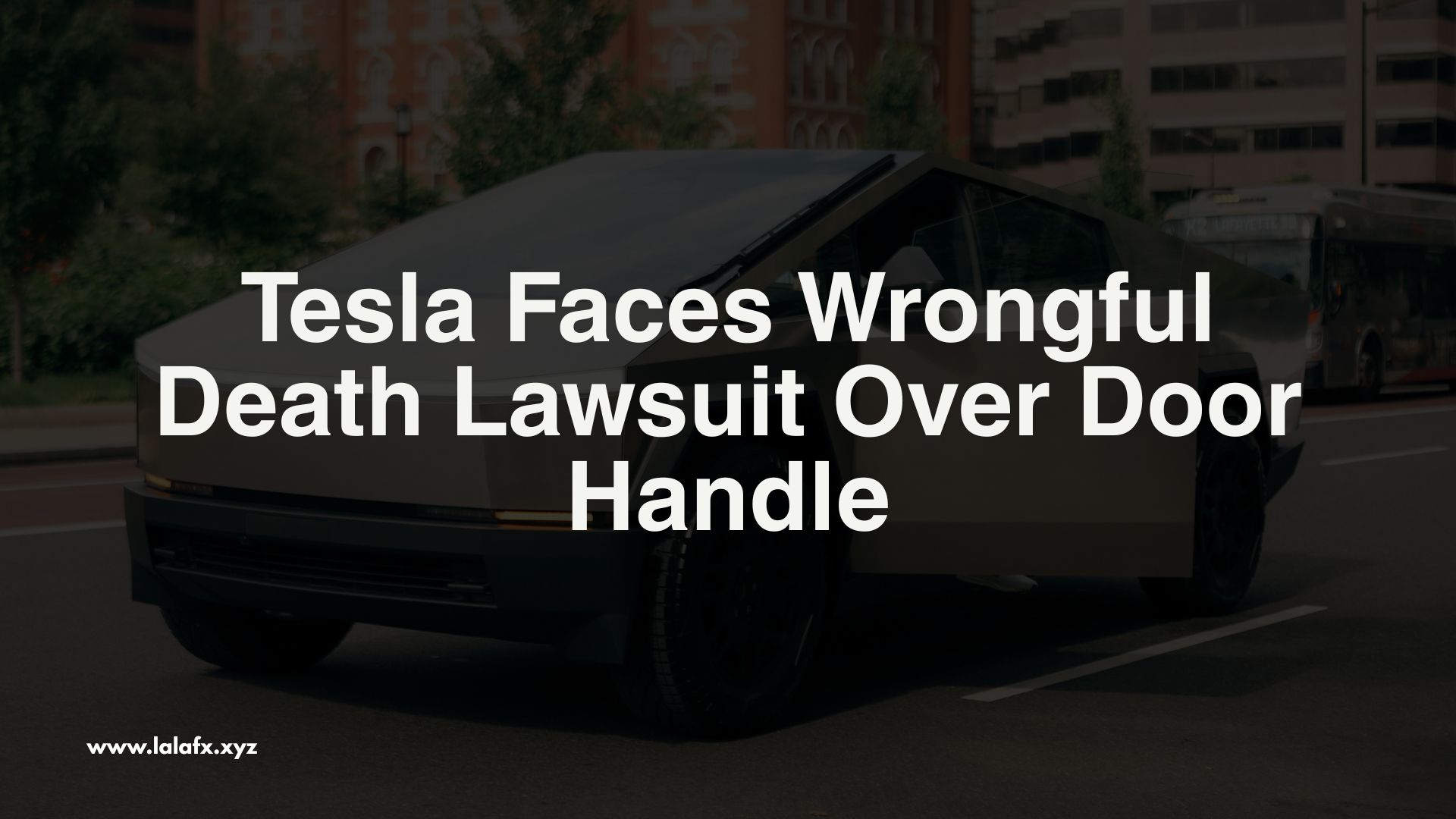
Tesla is once again under scrutiny, this time facing a wrongful death lawsuit centered around the design and functionality of its electronic door handles. The Easton family has filed a wrongful death lawsuit against the automaker, alleging that a defective door handle design contributed to the death of their son. This case highlights concerns about the safety and accessibility of Tesla vehicles, particularly in emergency situations.
Understanding the Wrongful Death Lawsuit
What is a Wrongful Death Suit?
A wrongful death suit is a civil case that is initiated by the family of a person that has been killed as a result of negligence or misconduct. In this case, the Easton family is launching a wrongful death claim, which states that the design of the door handle on Tesla vehicles was the direct cause of the unfortunate loss. This kind of litigation against Tesla aims at recovering damages to the family in terms of suffering, loss of income among other damages caused by the death. The viability of a wrongful death suit determined remains whether the act or omission of the defendant is a direct cause of the death.
Important actors in the case of the Easton Family.
The core participants of the lawsuit regarding a wrongful death of a child are the Easton family who lost their son accidentally and Tesla who is the defendant accused of creating an ineffective electronic door system design. Legal teams on both parties will be important in the presentation of arguments and evidence. Moreover, other witnesses such as first responders and automotive safety and electronic door handle expert witnesses can be invited to testify. The proceedings will be borne by the district court which will eventually make a ruling.
Background of the Incident
The incident that led to the lawsuit filed occurred in 2021, involving a Tesla Model Y vehicle. The circumstances surrounding the accident involve the vehicle hitting a tree and subsequently catching fire. The Easton family alleges that their son was trapped inside the burning model due to the failure of the electronic door system, preventing him from escaping the flames. This inability to open the doors, they contend, directly resulted in his death by smoke inhalation and constitutes wrongful death attributed to Tesla.
The Role of Electronic Door Handles
Tesla vehicles use electronic door handles which operate differently from standard manual door systems. The handles use an electronic door release system which operates through handle activation by pressing or touching. The car computer receives this action which results in door handle access and unlocking. The car body design of some models enables handles to remain hidden which improves aerodynamic performance. The system requires power from the vehicle’s electrical system which creates problems because the system stops working after accidents or fires.
Design Flaws Alleged in the Lawsuit
The Tesla lawsuit claims that electronic door handles create major emergency situation safety hazards. The Easton’s claim that Tesla knew the door handle design was faulty and that the lack of a readily accessible manual door release contributed to their son’s death. Critics allege that the Tesla’s door handle design prioritizes aesthetics and aerodynamics over occupant safety especially when compared to traditional manual door systems. The wrongful death lawsuit also challenges the availability and intuitiveness of the manual door release mechanism in emergency scenarios.
Traditional vs. Electronic Door Handles
Manual door handles provide a mechanical contact to the door release latch which enables the occupants open the doors despite the electrical condition of the car. Conversely, electronic door handles are based on electronic systems that may fail during accidents or electricity failure. Although Tesla has a manual release in its doors, its accessibility and ease of use particularly to first responders or panicked occupants can be cited as a contention in the wrongful death lawsuit. The controversy here is on whether the advantages of electronic door handles supersede the safety risks that may be posed as compared to the predictability of the manual door equipment.
Claims of the Easton Family vs Tesla
Details of the Allegations
The case brought against Tesla by the Easton family focuses on the claim that Tesla made wrongful design of their electronic door handles, which was the cause of wrongful death of their son, Samuel Tremblett. They claim that the design of the door handles did not allow Samuel Tremblett, the 20-year-old, to open the doors and get out of the vehicle when the Tesla model burst into fire after the vehicle hit a tree in 2021. According to the legal team of the family, Tesla was aware of the possible risks of electric door system, and it did not take proper safety precautions or provide an effective manual release in case of an emergency.
Impact of the Lawsuit on Tesla’s Reputation
The wrongful death lawsuit brought by the Easton family has the potential to significantly impact Tesla’s reputation. Negative publicity surrounding the case could erode consumer trust in Tesla vehicles, particularly concerning safety features. If found liable, Tesla faces further reputational damage and potential financial penalties. This incident could also prompt increased scrutiny from regulatory bodies such as the National Highway Traffic Safety Administration, potentially leading to stricter safety standards for electronic door handles and other critical vehicle components.
Previous Cases and Tesla’s Response
Tesla has previously dealt with public scrutiny because of its electronic door handle system. Their operational performance has been tested during emergency situations through prior incidents which raised concerns about their functionality. Tesla asserts that its door handle design complies with all safety regulations and provides a manual release system which critics claim creates difficulties for first responders who need to access emergency situations. Tesla has faced similar fatal door handle lawsuit cases.
Legal Implications of the Lawsuit
Possible Results of the Wrongful Death Case.
The consequences of this malice death suit are diverse. The Easton family could win over the district court and claim the damages due to the loss. On the other hand, the court may rule on Tesla side and dismiss the case in case the family cannot show that the design of the door handle was a direct cause of the death of Samuel Tremblett. An out-of-court settlement between the parties might also be achieved during settlement talks. The result will presumably affect the litigation and safety of the electronic door handle on electric vehicles in the future.
The cases of wrongful death precedents.
Past cases on wrongful death which are related to automotive defects are vital in this suit. Cases before which automakers were prosecuted due to defective designs that led to deaths may bolster the case of the Easton family. On the other hand, in case Tesla can prove that its electronic door handles correspond to industry standards and that the accident was the result of other causes, it will be possible to strengthen their defense. These precedents will be used by the court together with the particularities of the car collision involving Tesla Model Y vehicles in 2021 that resulted in the accident to pass the judgment.
Public Reaction and Industry Response
How Consumers View Tesla’s Safety Standards
The lawsuit against Tesla and the tragic circumstances surrounding Samuel Tremblett’s death have undoubtedly impacted how consumers perceive Tesla’s safety standards, especially regarding electronic door handles. Some Tesla owners question the reliability of the electronic door system in emergency situations, raising concerns about being trapped inside a burning model. This wrongful death lawsuit prompts a broader discussion about balancing innovative design, such as flush door handles found on the Tesla Model Y vehicle, with paramount safety considerations. Many wonder if Tesla knew the risk.
The Easton family wrongful death case requires expert analysis because it will determine new automotive safety standards through its legal proceedings. The experts explain that safety systems need multiple protective features which should include manual door release systems that users can activate without any restrictions together with electronic door handles. The experts claim that Tesla’s design decisions give priority to visual appearance instead of protecting passenger safety during crash events and fire emergencies when the electronic door system fails. The team is currently analyzing whether our current design needs a complete overhaul.
Media Coverage of the Easton Family’s Case
The media has extensively covered the Easton family’s wrongful death lawsuit, bringing attention to the potential risks associated with electronic door handles in Tesla vehicles. The reports show how the family experiences deep sorrow while they try to hold Tesla responsible for what they believe should have been an avoidable accident. News outlets have also explored previous incidents involving Tesla’s door handle design and raised questions about the effectiveness of the manual release mechanism. Some coverage included Samuel Tremblett’s 911 call.
Conclusion
The Future of Electronic Door Technology and Tesla.
The Easton family case involving the wrongful death suit has led to a serious scrutiny of the electronic door technology in Tesla cars and the industry. With the development of the technology of electric vehicles, the safety and reliability of every part of the vehicle, including door handles, is the primary concern. This lawsuit can potentially affect future design decisions and design regulations by compelling manufacturers to make redundant safety as a priority and easier manual door release systems as well as innovative solutions such as flush door handles or even those located in the Cybertruck. Tesla has a dilemma to strike a balance between innovation and the safety of the occupants.
Last Words on Safety and Responsibility.
The wrongful death accident of the Easton family against Tesla serves as a reminder of the value of car safety and company responsibility. The case poses some important questions related to the design and functionality of electronic door handles especially in emergencies. This lawsuit, whether the district court decides in favor or against the plaintiff, is a lesson that car manufacturers should put the safety of their users first, and then they should make sure their cars have working mechanisms to open the doors and the door release even in a situation where the electronic door system is faulty. The Tesla cars and Tesla door systems of Tesla will remain under investigation.
FAQs
What are the main allegations in the Easton family lawsuit against Tesla?
The Easton family’s wrongful death lawsuit against Tesla primarily alleges that the electronic door handles in Tesla vehicles are defectively designed, contributing to the wrongful death of their son, Samuel Tremblett. They claim Samuel Tremblett was trapped inside his Tesla Model after the Tesla model hit a tree and caught fire, being unable to open the doors due to the malfunctioning electronic door system. The Easton’s claim that Tesla knew about these safety risks but failed to provide an adequate manual door release.
How does the electronic door handle work in Tesla vehicles?
Tesla’s electronic door handles operate differently from traditional manual door handles. Instead of a direct mechanical linkage, Tesla doors use an electronic door release mechanism activated by touch or pressure. This signals the car’s computer to unlock and present the handle. While enhancing aerodynamics with their flush door handles, this design relies on the vehicle’s electrical system. A failure in this system, for example a Cybertruck crash or a burning model, could render the electronic door handles inoperable, raising concerns about emergency egress from Tesla vehicles.
Is NHTSA investigating Tesla door handles?
The National Highway Traffic Safety Administration (NHTSA) has been attentive to concerns surrounding Tesla’s door handle design but to date it is unknown as to whether NHTSA is investigating Tesla door systems at this time. The NHTSA continues to monitor field reports and consumer complaints which relate to vehicle safety including issues with electronic door handles and door release mechanisms. The wrongful death lawsuit may prompt NHTSA to intensify its scrutiny and evaluation of Tesla’s electronic door technology and is a concern for all Tesla Owners.
Why can’t Tesla door handles open in emergencies?
The concern that Tesla’s door handle design can’t open the doors in emergencies stems from their reliance on an electronic door system. If the vehicle’s electrical system is compromised due to a crash, fire, or malfunction, the electronic door handles may not function, potentially leaving occupants trapped inside. While Tesla vehicles include a manual release, its accessibility and ease of use, especially under duress or for first responders, have been questioned. This concern is at the heart of the wrongful death lawsuit.